THE CORE THEORY
THE LOOP
THE FILM · 9 MIN 8 SEC
TRANSCRIPT
OVERVIEW
SADHOT stands for software applications deprecate humanity over time, squared. Computing power keeps accelerating, and the human mind stays the same size. A handful of companies now design the systems American children grow up inside, and their revenue depends on attention, personal data and the number of connections each user makes.
Their record runs the same way every time. A design choice raises engagement or cuts cost, the company learns what it does to the people on the other end, and the product ships anyway. The cost falls on households, on the home network and on children in a school system that is already losing ground.
The Nation's Report Card, September 2025. Twelfth-grade reading and math scores at the lowest point in the history of the assessment.
The SANITY Act, Stop Advertising Negative IT to Youth, answers that record in six titles: connected devices, write limits, willful negligence, parasitic markets, network manipulation, and pop-ups and overlays. Each one puts the cost back on the company that designed the system.
TITLE I · CONNECTED DEVICES
Title I starts with the hardware. Televisions, cameras, routers and appliances now ship with network connections and firmware licensed from outside suppliers, and the security bill stays with the household.
Justice Department, March 19, 2026. Four botnets disrupted, built from at least 3,000,000 hijacked devices, hundreds of thousands of them in the United States.
The largest, Kimwolf, ran on more than 2,000,000 devices, most of them off-brand Android TV boxes sold for pirated streaming. A single Chinese white-label platform, Tuya, supplies the firmware and cloud behind more than 5,000 brands.
CISA, April 2026. Chinese state-sponsored actors are threatening critical infrastructure through covert networks of compromised devices.
Title I makes the operating system, firmware and cloud providers strictly liable for the code they let run on connected devices. New products get a network connection only where the function needs one. A dishwasher has no use for Wi-Fi.
TITLE II · WRITE LIMITS
Title II is about output. About 9 in 10 American teenagers use YouTube, and about 6 in 10 use TikTok and Instagram. Every post, comment and clip they make is written to permanent storage, and a growing share of what platforms store comes from bots and AI tools that publish by default.
Meta, September 25, 2025. The Vibes feed launches, turning every AI generation into a publishable post and cross-posting it to Instagram and Facebook.
Title II sets a strict daily publishing threshold for identified minor accounts, with mandatory throttling once an account crosses it. That is the first phase, and the threshold is designed to extend to every account. A person posts at human speed, so a daily write limit separates human activity from bots and automated accounts without judging what anyone says. It also cuts the volume of output stored permanently with no lasting economic purpose.
OpenAI, September 2025. The Sora app ships with default limits on how long teens can scroll.
The throttle already exists in shipping software. Title II makes it the rule.
TITLE III · WILLFUL NEGLIGENCE
Title III covers what these companies knew. Their own research measured the harm, and the products kept running.
New Mexico jury, March 24, 2026. Meta knowingly harmed children's mental health. Verdict, $375,000,000.
Los Angeles jury, March 25, 2026. Negligent design and failure to warn, Meta 70 percent responsible and YouTube 30 percent. Damages, $6,000,000.
Title III treats the behavioral data these platforms collect as actual knowledge that a minor is using the service, which ends the defense that the company did not know. Uncapped access for a minor becomes willful harm and forfeits Section 230, the federal liability shield platforms rely on. The officers who deploy these systems carry personal liability for them.
TITLE IV · PARASITIC MARKETS
Title IV goes after a market built on top of the engagement machine. Auto-tappers are clip-on stands with a powered stylus that taps a phone screen on a timer, sold for roughly $5 to $39 to farm likes on live streams and rewards in apps.
TikTok Shop listing. Auto Tapper for TikTok Live. 727 sold, at $11.59 to $12.29.
The platform takes a commission on hardware built to game its own engagement loop, and the same devices sit on Amazon and Walmart Marketplace under interchangeable brand names. When people pay for a machine that taps a screen all day, engagement design has crossed from software into the physical world. Title IV bans the commercial trade in auto-tappers and any other hardware built to game engagement loops.
TITLE V · NETWORK MANIPULATION
SADHOT has a second reading: social anxiety disorders have other takes. It reads social anxiety as a product of platform design, and one engine behind it is the suggested account, the feature that keeps putting strangers in front of you.
Federal Trade Commission, 2025, presenting a 2019 Meta document. 7 percent of Instagram's follow recommendations to adults were minors.
A 2022 audit cited by plaintiffs. Instagram's recommendation feature suggested 1,400,000 potentially suspicious adults to teens in a single day.
New Mexico Attorney General. Snapchat's Quick Add allegedly suggested adult strangers and drug sellers to minors.
Every new connection is more engagement, which is why these systems keep making introductions. Title V bans suggested-account algorithms, People You May Know prompts and automated network expansion, for adults as well as minors. People can still search for each other and connect. The platform stops doing the introducing.
TITLE VI · POP-UPS AND OVERLAYS
Title VI clears the interruption layer of the web: cookie banners, pop-ups, interstitials, and close buttons that open something else.
Council of the European Union, June 18, 2026. A plan to replace cookie banners with one browser-level signal is removed, after Google circulated a lobbying paper defending the banners, according to the privacy group N-O-Y-B.
Then there is YouTube. An 8-minute highlight video is exactly long enough for YouTube to break it with ads in the middle.
YouTube Help. Mid-roll ads allowed on videos 8 minutes and longer, lowered from 10 minutes in July 2020.
March 2026. Thirty-second non-skippable ads roll out on TVs, consoles and streaming devices worldwide. Viewers have since reported 90.
On the living-room TV, Google's voice commands can like a video or subscribe to a channel, and none of them skips an ad. The only way past it is to pick up the remote and engage with the device. YouTube took in $11,210,000,000 in advertising in the third quarter of 2026. Title VI bans the banners, the overlays and the fake close buttons, replaces consent pop-ups with one privacy setting in the browser, and requires skip and close to work by voice.
SADHOT. Software applications deprecate humanity over time. The SANITY Act is a Lexeme legislative framework.
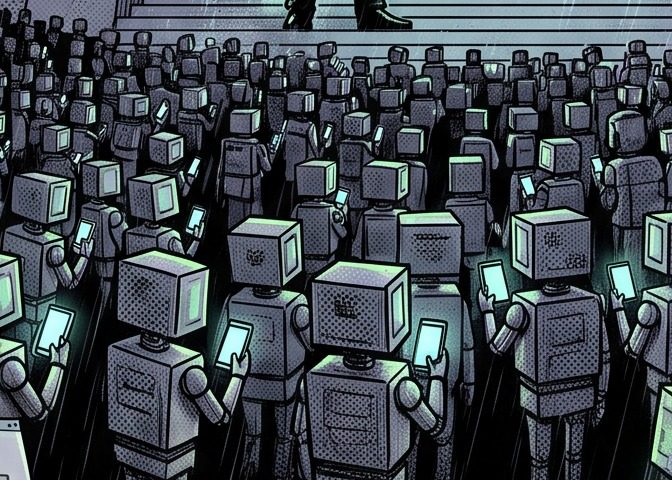
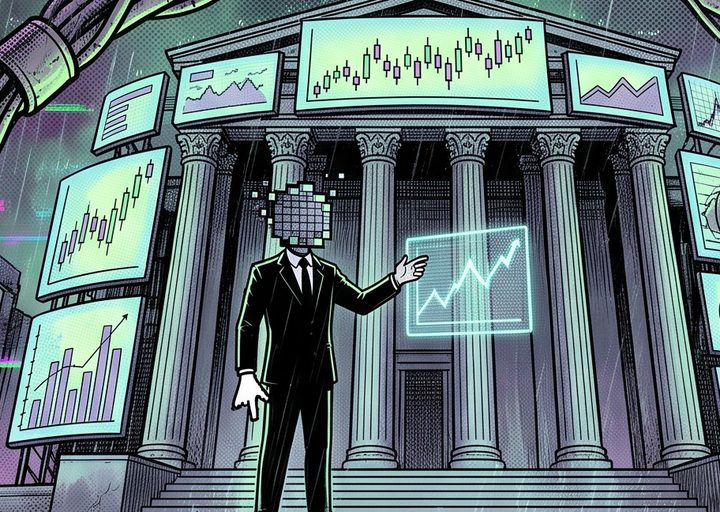
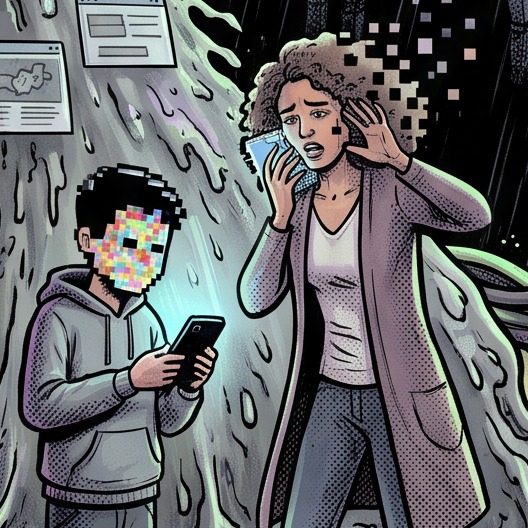
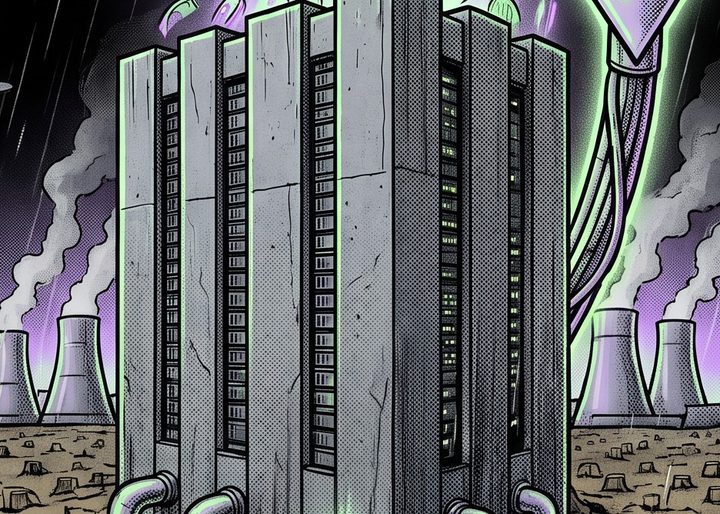
Platforms count bots as users and users as revenue. The revenue builds data centers, and the data centers fill with more bots. The bill arrives as land, water and power.
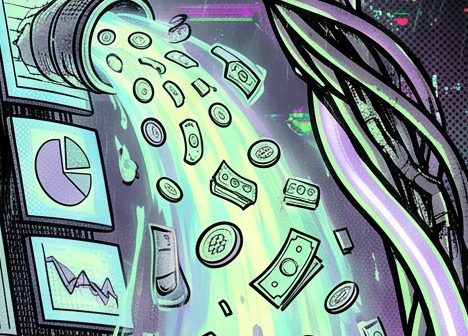
THE ACT BREAKS THE LOOP
WALL STREET BUYS THE BOTS. YOU PAY FOR THE WAREHOUSE.
SIX TITLES
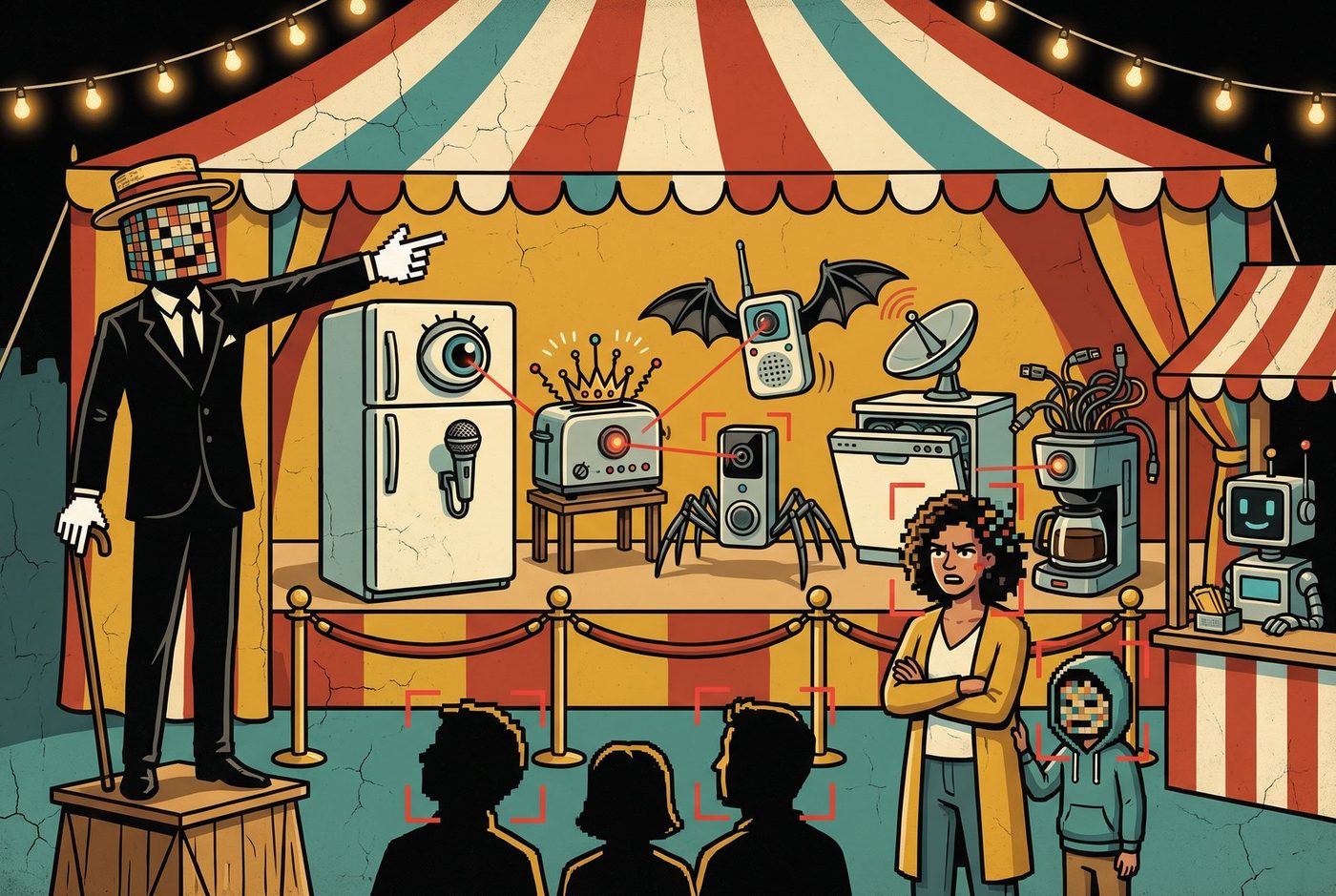
TITLE I
CONNECTED DEVICES
Strict liability for the operating system, firmware and cloud providers behind connected consumer hardware, and a necessity test that limits new products to the network connections their functions require.
OPEN TITLE I →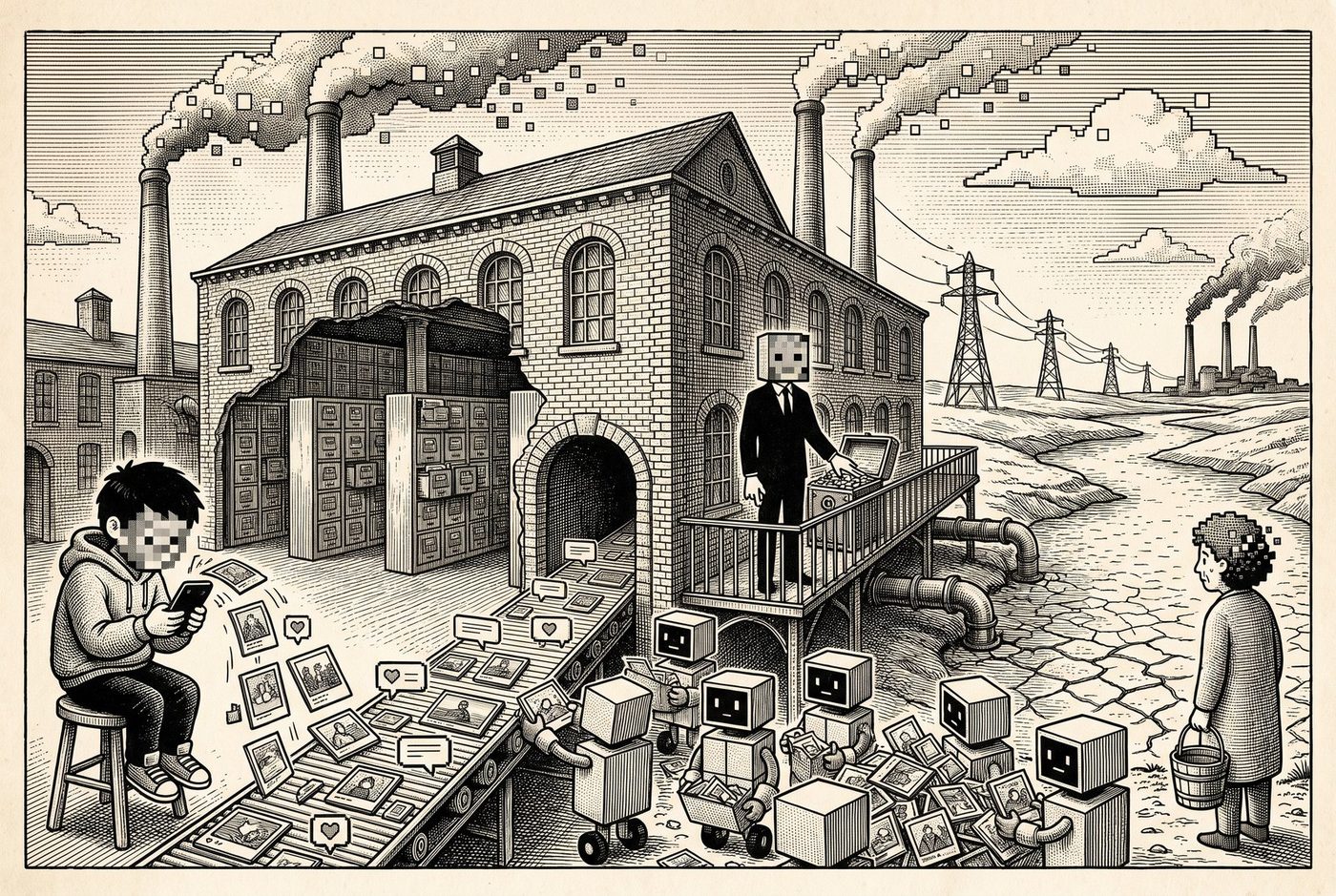
TITLE II
WRITE LIMITS
A strict daily publishing threshold with mandatory throttling, starting with identified minor accounts and designed to extend to every account, limiting the output platforms store permanently with no lasting purpose and separating human activity from automated activity.
OPEN TITLE II →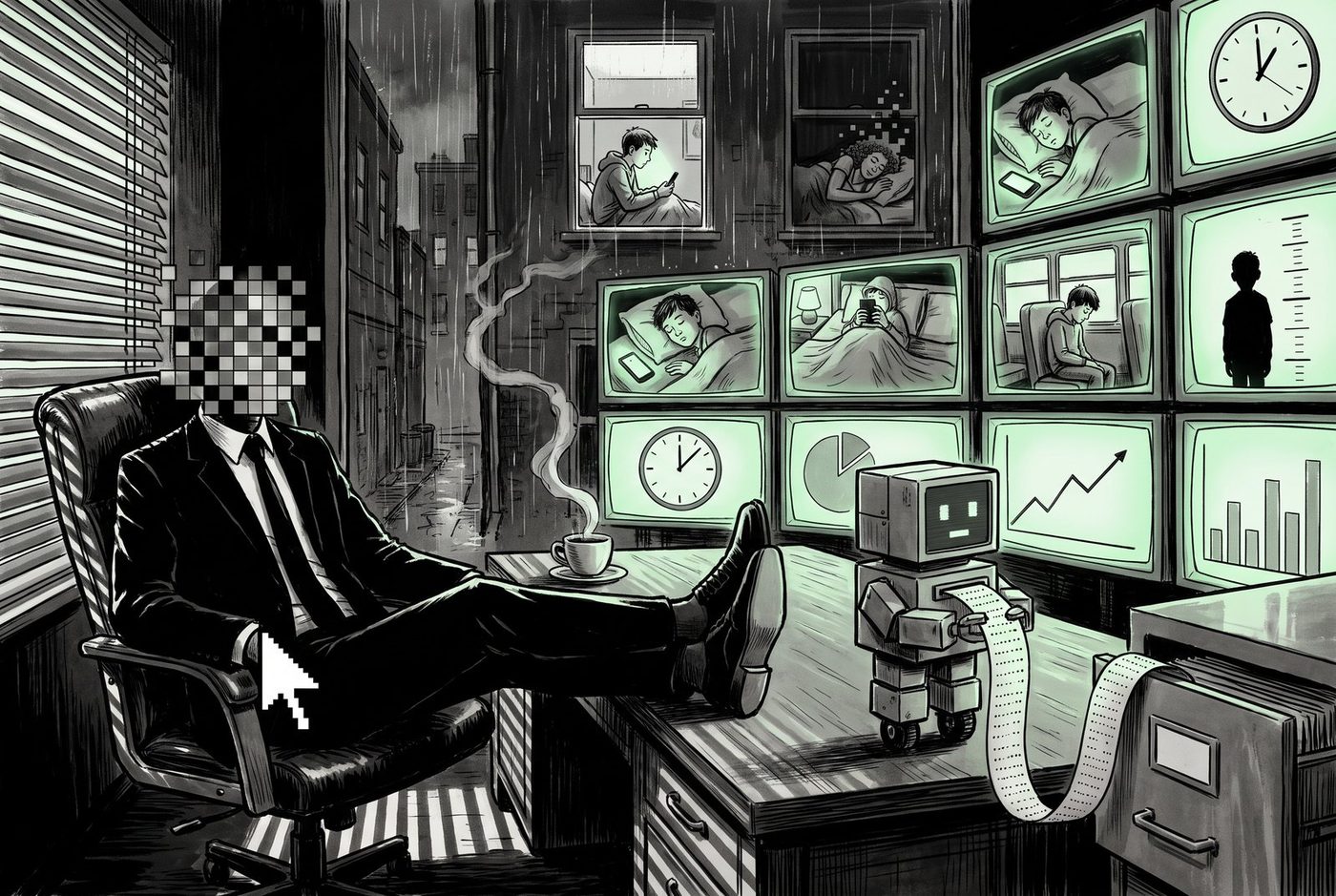
TITLE III
WILLFUL NEGLIGENCE
Behavioral profiling data treated as actual knowledge of minor users, personal liability for officers, and loss of Section 230 protection for uncapped minor access.
OPEN TITLE III →
TITLE IV
PARASITIC MARKETS
A ban on selling auto-tappers and other hardware built to game engagement loops.
OPEN TITLE IV →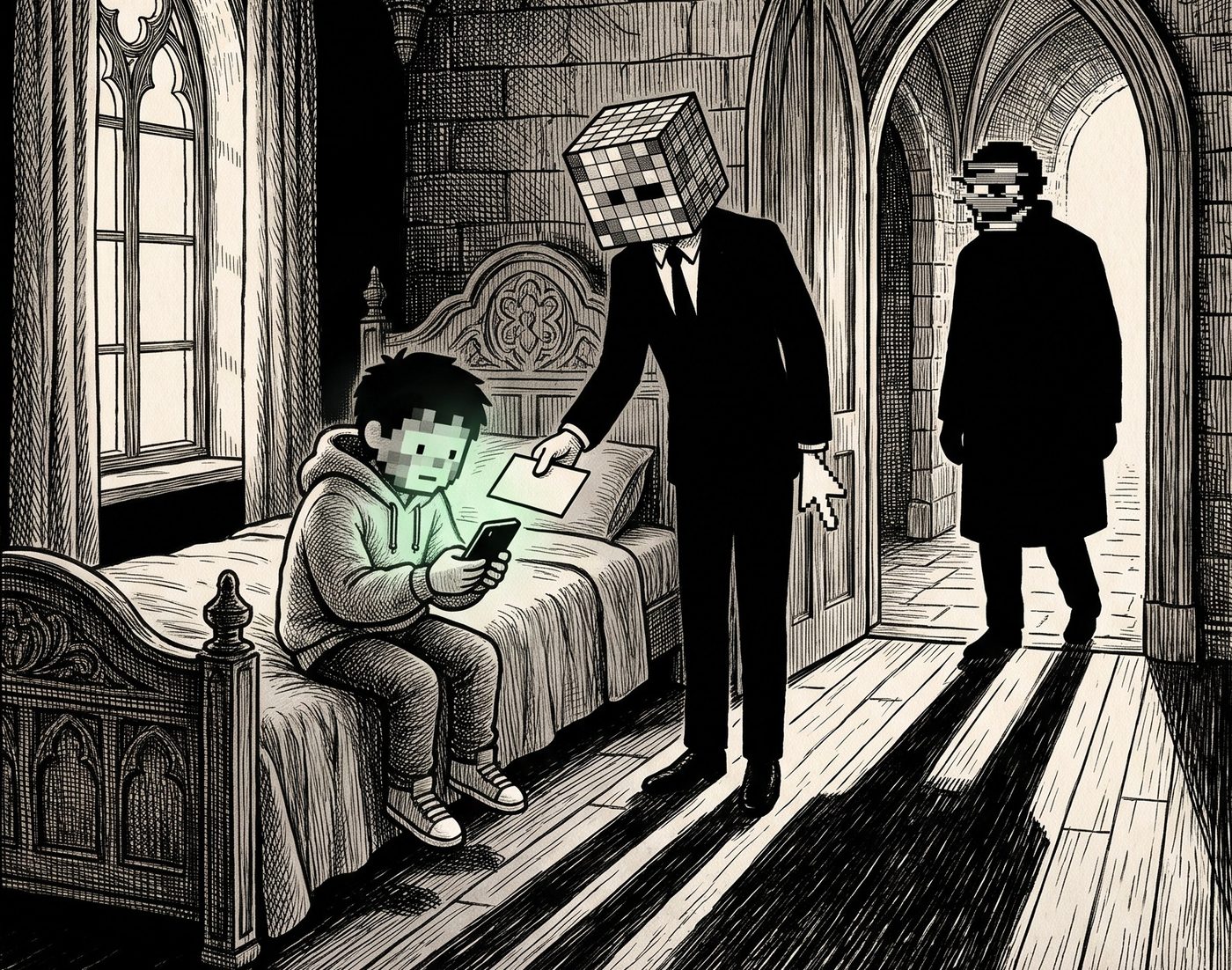
TITLE V
NETWORK MANIPULATION
A ban on suggested-account, People You May Know and automated network expansion systems, for adult users as well as minors.
OPEN TITLE V →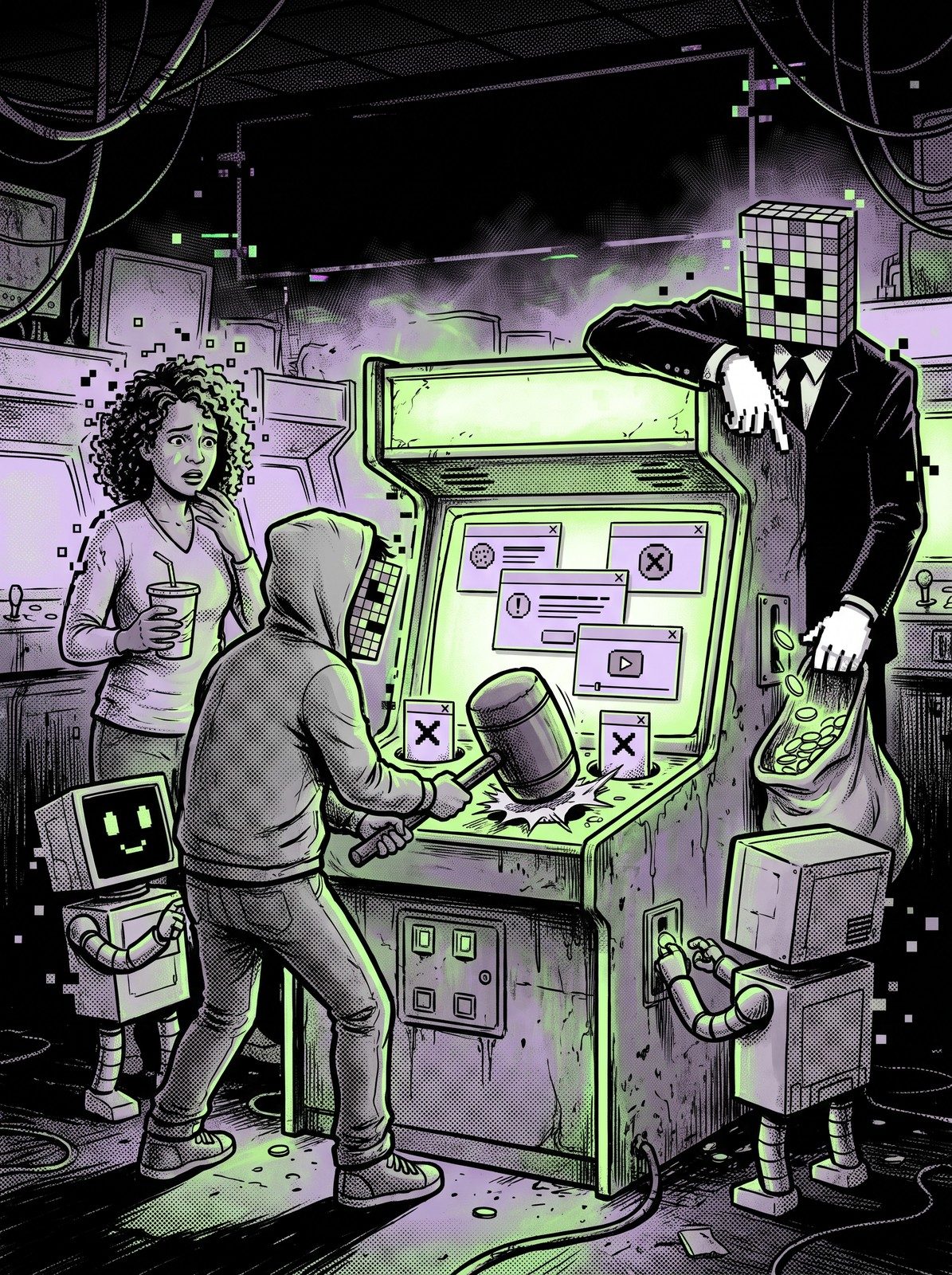
TITLE VI
POP-UPS AND OVERLAYS
A ban on consent banners, obstructive overlays and deceptive close controls, replaced by one browser-level privacy signal.
OPEN TITLE VI →GAMES
TITLE VI
CLOSE THE POP-UP
Thirty seconds to reach one article.
PLAY →TITLE I
NECESSITY TEST
Stamp what twelve products need.
PLAY →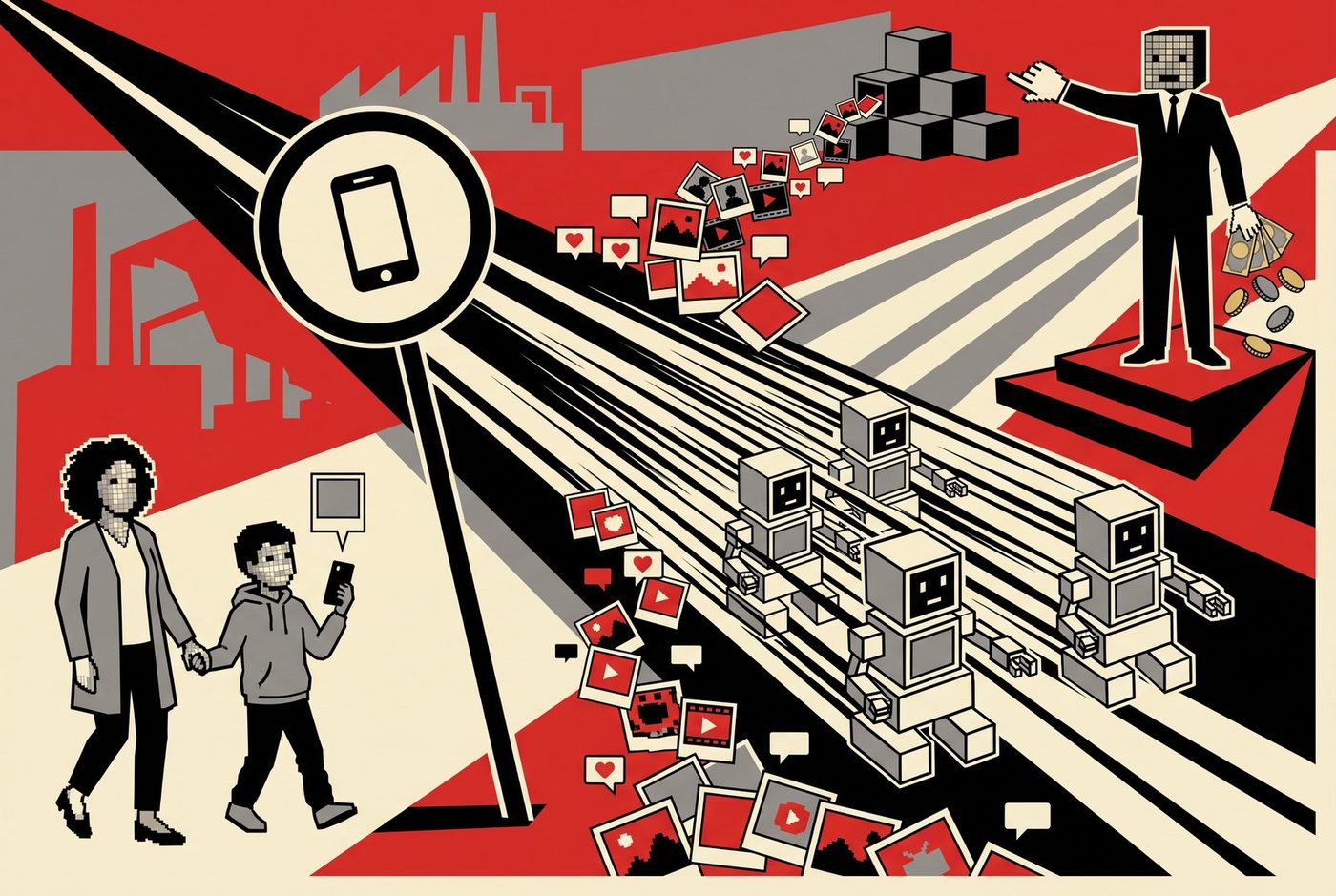
TITLE II
WRITE LIMIT
Twenty seconds to be heard over the bots.
PLAY →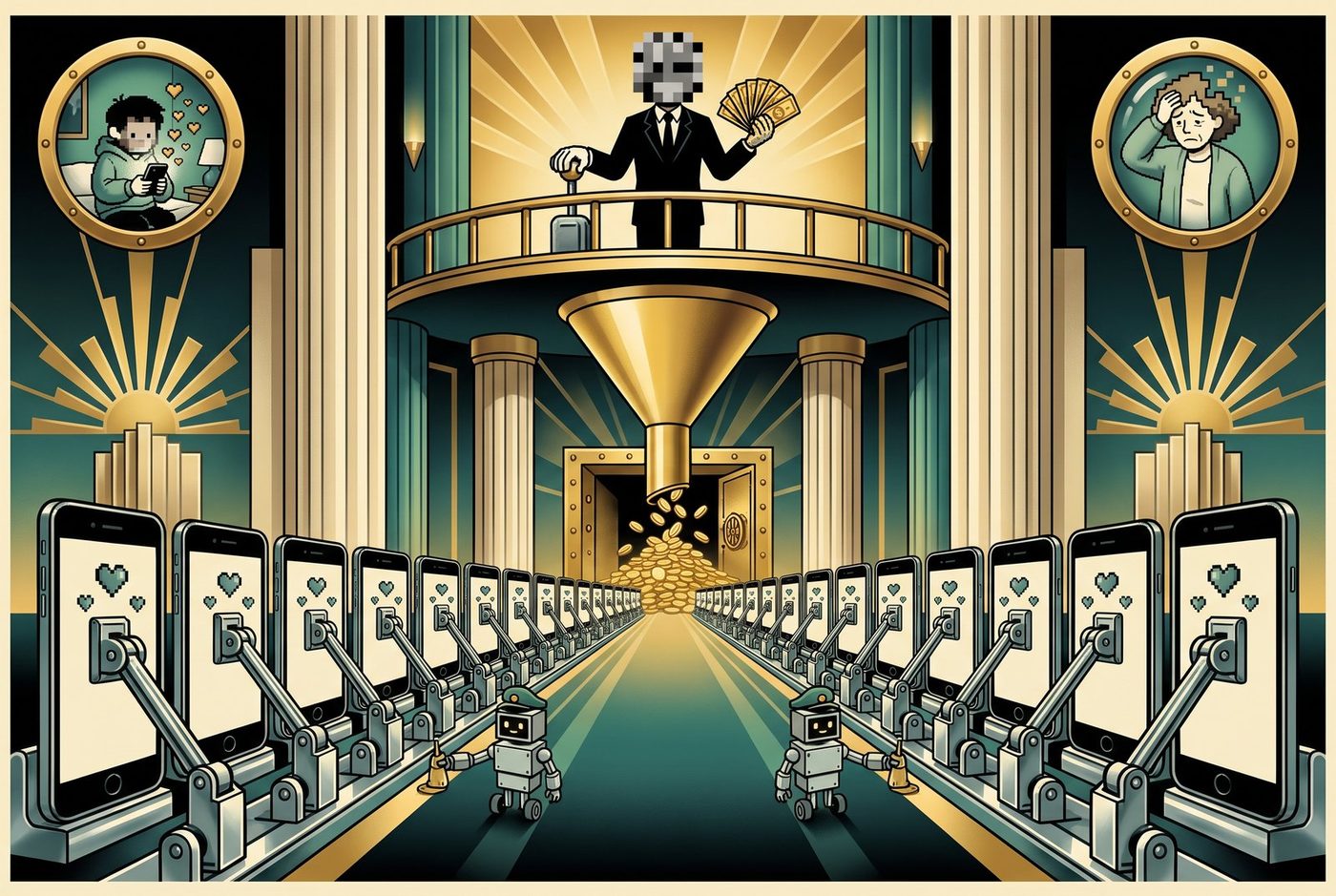
TITLE IV
HUMAN VS TAPPER
Your thumb against an auto-tapper.
PLAY →ALL SIX TITLES
JIGSAW
The flyers as jigsaw puzzles.
PLAY →WHITE PAPER
The record behind each title, the companies it reaches, and the sources.